Help us complete our documentary film on Pablo Neruda, vital and dynamic
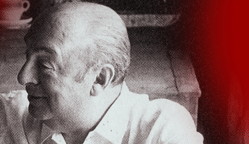
This film will be the first feature-length documentary in English to give an intimate look at the flesh-and-blood man behind some of the world’s most beloved and important poems.
As the best-selling novelist Julia Alvarez wrote on seeing excerpts from the film-in-progress, "This documentary will give us our Neruda, vigorously, diversely, enchantingly brought back to life."
The sensuous, lyrical film traces the Nobel Prize winner’s evolution from a shy, sickly, rural Chilean boy who loved to lose himself in nature to his place on the world stage as a renowned poet and political activist who filled Europe and the Americas’ stadiums and concert halls. As rich and accessible as Neruda’s best-loved works, this Pablo Neruda documentary-in-progress is inspiring proof of art’s power to stimulate emotions and broaden perspectives.